


Hachiko is a famous Akita Inu dog from Japan, widely known for his story of deep devotion to Professor Hidesaburo Ueno. Based on a true story, Hachiko has gradually become a familiar icon in Japanese culture. Join QOV as we explore the life of this remarkable dog and the lasting legacy Hachiko left behind

Learn about Hachiko the dog
Hachiko was a real dog born on November 10, 1923, in Odate, Akita Prefecture, Japan. He was adopted by Professor Hidesaburo Ueno and formed a close bond with him while living in Tokyo. After the professor passed away suddenly in 1925, Hachiko continued to visit Shibuya Station, where he used to greet his owner every day.
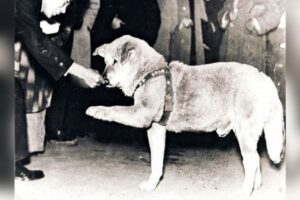
The story of Hachiko did not originate from a fictional movie. This dog was once covered by Japanese newspapers, bringing his story to many people and deeply moving them with his devotion to his deceased owner.
Source: The University of Tokyo – Hachiko and Tokyo.
What breed of dog is Hachiko?
Hachiko belongs to the Akita Inu breed, a dog native to Japan. This breed features a sturdy body, thick coat, erect ears, and a tail curled over its back. These characteristics make them easily recognizable among native Japanese dog breeds.

Akita Inus are typically independent, alert, and deeply devoted to their families. However, one should not assume that every Akita will behave like Hachiko. An individual dog's personality also depends on genetics, socialization, and care. What makes Hachiko special is not just his breed, but the story bound to his life.
How did the story of Hachiko unfold?
The story of Hachiko is closely tied to events at Shibuya Station in Tokyo, from his routine of greeting his owner to the lasting legacy preserved today.
Hachiko waiting for his owner at Shibuya Station
Hachiko formed a close bond with Professor Hidesaburo Ueno while living in Tokyo. After the professor passed away in May 1925, Hachiko frequently returned to Shibuya Station, the location central to his famous story. The story was later covered by Japanese newspapers, making Hachiko widely known to the public.

Nearly 10 years of waiting for a deceased owner
In May 1925, Professor Ueno passed away suddenly while at work and never returned home as usual. Despite no longer meeting his owner, Hachiko continued to return to Shibuya Station to wait for years to come.
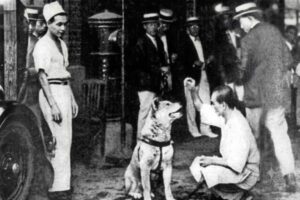
The story gradually gained public attention as Japanese newspapers reported on the dog that consistently returned to the station. That image turned Hachiko into a symbol of loyalty and the deep bond between pets and humans.
Hachiko's final years and legacy
Hachiko passed away on March 8, 1935. Prior to that, on April 21, 1934, his first bronze statue was unveiled near Shibuya Station while Hachiko was still alive. In 1944, the statue was melted down to recycle metal for the war effort.
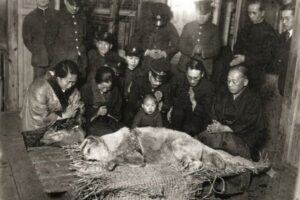
The current Hachiko statue was rebuilt and unveiled on August 15, 1948. Decades later, the statue remains a landmark tied to the story of Japan's famous dog.
Source: Shibuya City Library – History of the Hachiko Statue.
Why did Hachiko become a symbol of loyalty?
The story of Hachiko was covered by Japanese newspapers and gradually gained fame in popular culture. Based on the true events of his life, the image of Hachiko later became synonymous with loyalty, devotion, and the profound bond between humans and animals.

However, a distinction should be made between verifiable historical events and the symbolic meaning crafted over time through stories, films, and cultural works. Hachiko is remembered not only as a dog with a extraordinary story, but also as a enduring symbol that reminds people to cherish their bond with pets and take responsibility for their care.
Where is the Hachiko statue located and what is its significance?
The most famous Hachiko statue is located near Shibuya Station in Tokyo, Japan. Today, it serves as both a popular meeting spot and a memorial site for the dog that has become an icon of the area.

The Hachiko statue is thus more than just a typical landmark; it serves as a bridge of memory across generations.No matter how much time passes, Hachiko's story remains a gentle yet profound reminder of pure affection, unwavering loyalty, and the deep bond between humans and animals.
Source: The University of Tokyo – Statue of Professor Ueno and Hachiko.
Frequently asked questions about Hachiko
Why is Hachiko famous worldwide?
The story of Hachiko's loyalty was widely reported by the press and later adapted into films and books, allowing his memory to live on across generations.
What does Hachiko mean to the Japanese people?
Hachiko is a symbol of loyalty and devotion. His story also serves as a reminder to humans about the affection and responsibility owed to our pets.
Conclusion
The story of Hachiko shows the special bond between humans and their pets. Through this story, QOV hopes Sen will cherish the love they share with Boss even more and recognize their responsibility to care for and accompany their furry companions throughout their lives.
Follow-up QOV For more interesting information about pets, please check it out!