

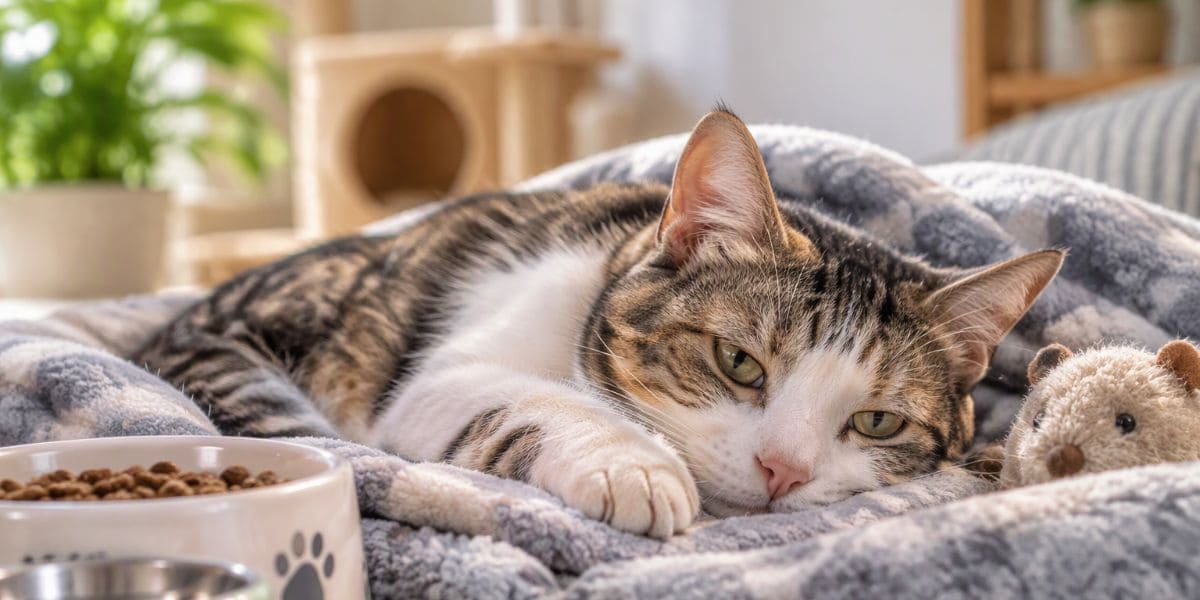
FIP in Cats is a dangerous condition, yet early detection is often difficult because the initial symptoms are subtle and easily mistaken for other health issues. Changes that seem completely normal could actually be important warning signs. QOV compiles the key warning signs pet parents shouldn't ignore to spot FIP earlier

What is FIP in cats?
FIP (feline infectious peritonitis) occurs when feline coronavirus (fcov) mutates and causes an inflammatory reaction in a cat's body. the disease can affect multiple organs, leading to declining health, and in severe cases, it can be life-threatening.
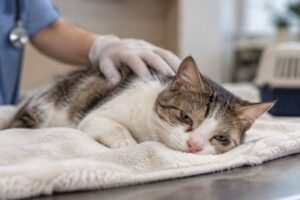
FIP typically manifests in two types: wet and dry. The wet form causes fluid accumulation in the abdominal or thoracic cavity, whereas the dry form impacts multiple organs throughout the body.
Signs of FIP in cats
Early signs of FIP in cats can be quite difficult to spot. A cat might lose interest in food, drop weight, run a lingering fever, or appear unusually sluggish and inactive. As FIP progresses, symptoms diverge based on whether the cat has the wet or dry form.
Wet FIP – more evident symptoms
Effusive (wet) FIP typically involves fluid accumulation within the body cavity. Key symptoms that owners can easily spot include:
- Unusual abdominal distension caused by fluid buildup in the belly.
- Difficulty breathing or rapid breathing when fluid accumulates in the chest cavity.
- Lingering fever, along with poor appetite or total refusal to eat.
- Sluggish behavior and decreased movement, lacking their usual playfulness.
- Unexplained weight loss even when their daily eating habits remain unchanged.
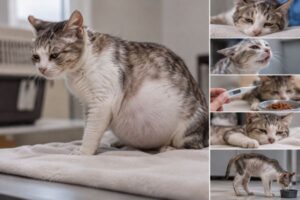
Dry FIP – more diverse symptoms
Dry FIP can affect multiple organs, so symptoms are not the same in every cat. Some common signs include:
- Progressive weight loss and lingering physical debilitation.
- Unusual eye conditions, including inflammation or irregular pupil response.
- Yellowing of the eyes and gums (jaundice) indicating liver or biliary tract involvement.
- Abnormal walking patterns and balance loss due to neurological involvement.
- Muscle tremors, seizures, and altered behavior triggered by neurological impairment.
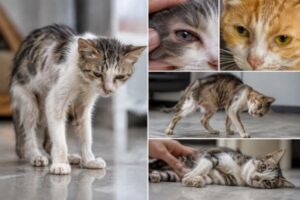
Note: These signs alone are not enough to confirm FIP, as many other diseases share similar symptoms. If your cat exhibits multiple signs at once or their condition worsens rapidly, take them to a veterinarian for a checkup.
What should pet parents do when suspecting FIP in cats?
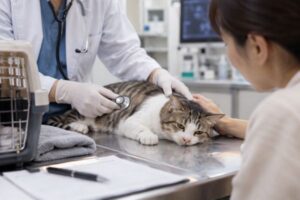
When noticing signs of suspected FIP in cats, pet owners should take them to a veterinarian instead of self-diagnosing or waiting for the condition to resolve on its own. Early examination helps the vet evaluate the condition and determine appropriate treatment options.
- Seek immediate veterinary care: difficulty breathing, seizures, collapse, or inability to stand.
- Early checkup: prolonged loss of appetite, weight loss, recurrent fever, or gradual decline in health.
- Prepare information: record the onset of symptoms, eating habits, weight, and behavioral changes to share with the veterinarian.
- Do not self-treat: only use medications or treatment methods under the guidance of a veterinarian.
How long can cats with FIP live?
Without intervention, FIP in cats is often fatal within weeks or months of symptom onset, with some acute cases progressing rapidly. However, targeted antiviral therapy dramatically enhances life expectancy and recovery rates. Individual prognosis ultimately varies based on disease type and overall health status.

How to reduce the risk of FIP in cats?
While absolute FIP prevention is not possible, pet owners can significantly lower infection risks by controlling living environments, minimizing exposure to potential contamination sources, and boosting feline immunity.
- Minimize FCoV transmission risk: Multi-cat households should maintain strict litter box sanitation, prevent overcrowding, and quarantine new cats for health monitoring prior to integration.
- Maintain strict litter box hygiene: remove feces daily and disinfect litter trays and surrounding zones to minimize FCoV shedding.
- Minimize stress in cats: ensure a consistent environment, avoid frequent relocation, and manage inter-cat aggression to preserve immune health.
- Ensure comprehensive health management: maintain adequate nutrition, monitor body weight trends, and regularly assess overall cat wellness.
- Quarantine and screen new cats prior to integration: perform comprehensive health checks on new arrivals before introducing them to your current multi-cat household.

Conclusion
FIP in cats often present with signs such as fever, loss of appetite, weight loss, and lethargy. Depending on the form of the disease, abdominal swelling, difficulty breathing, or ocular and neurological abnormalities may occur. FIP has varying prognoses and requires appropriate evaluation and treatment. QOV hopes the information above helps pet owners spot early signs and proactively take their cats for a checkup when needed.
Follow-up QOV For more interesting information about pets, please check it out!